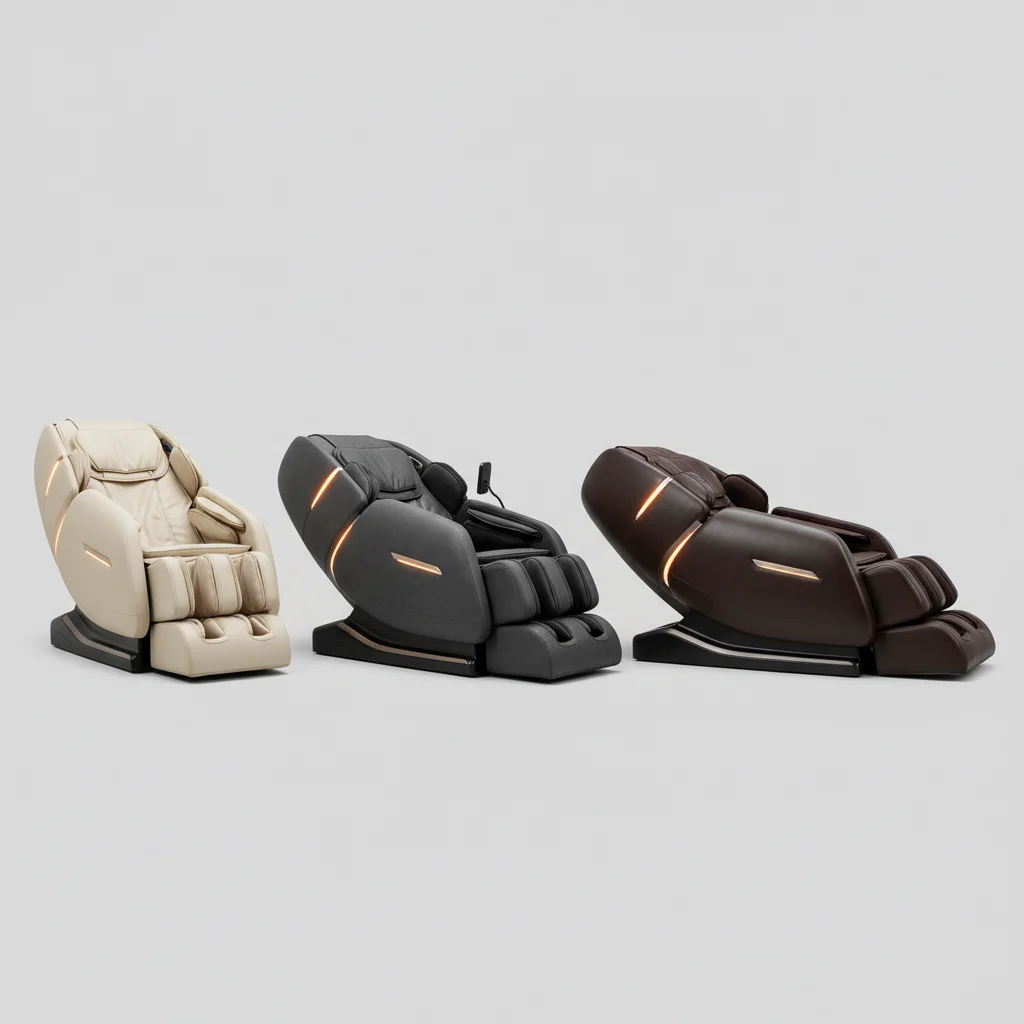
Understanding the different reclining positions available in massage chairs is crucial for maximizing comfort and therapeutic benefits. There are typically three main types of reclining positions: upright, recline, and zero gravity. Each offers unique advantages for various user needs and preferences, from casual relaxation to deep tissue relief.
Upright and Standard Recline Positions
The upright position is the default setting for most massage chairs, ideal for quick massages or when you prefer to remain more engaged with your surroundings. This position often mimics a standard armchair, providing a comfortable base for neck, shoulder, and upper back massages. Standard recline positions allow for a gradual tilt backward, easing pressure on the spine and promoting a more relaxed state. This partial recline is excellent for general relaxation and can help alleviate everyday muscle tension without fully committing to a deeper recline.
Understanding Zero Gravity Recline
Zero gravity is a specialized reclining position inspired by NASA, designed to minimize the effects of gravity on the body. In this position, your legs are elevated above your heart, distributing your body weight evenly across the chair. This posture significantly reduces pressure on the spine and joints, promoting deeper relaxation and enhancing the effectiveness of the massage. Many users report improved circulation and a profound sense of weightlessness in the zero gravity position, making it highly sought after for therapeutic benefits.
- Spinal decompression and reduced back pain.
- Improved blood circulation throughout the body.
- Enhanced lung capacity and easier breathing.
- Deeper muscle relaxation and stress relief.
- Reduced strain on the heart.
Partial Zero Gravity vs. Full Zero Gravity
While all zero gravity positions aim to elevate the legs above the heart, there can be variations. Partial zero gravity might offer a less extreme angle, still providing significant benefits but perhaps not the full sensation of weightlessness. Full zero gravity positions achieve the most pronounced angle, often allowing for a nearly horizontal body position with the legs significantly elevated. When choosing a chair, consider how deeply you want to recline and the specific benefits you are seeking. Some chairs offer multiple stages of zero gravity, allowing you to fine-tune your experience.
Customizable Recline and Advanced Features
|
Our Picks for the Best Massage Chair in 2026
As an Amazon Associate I earn from qualifying purchases.
|
||
| Num | Product | Action |
|---|---|---|
| 1 | Mynt FSA Eligible HSA Approved Shiatsu Neck and Back Massager for Chair with 10 Deep Kneading Nodes, 2D & 3D Back Massage with Heat, Portable Spot Massage Chair Pad (Black) |

|
| 2 | Snailax Neck Back Massager with Heat, Full Body Massage Chair Pad, Adjustable Compression, Rolling, Shiatsu Massage Seat Cushion, Chair Massagers,Gifts for Women, Man (Upgrade) |
|
| 3 | Lvrunben Shiatsu Back Massager with Heat, 3D Kneading Massage Chair Pad, Electric Massage Seat Cushion for Body, Neck,Shoulder, with Movable Multi-Function Leg and Foot Massager, for 62-69 inches |
|
| 4 | COMFIER Massager Chair with Heat, Shiatsu Neck Back Massager Portable with Compression & Rolling,Massage Chair Pad for Neck & Back for Muscle Tension Relief |
|
| 5 | Snailax Shiatsu Back Massager with Heat Massage Chair Pad Kneading Back Massager for Pain Relief Deep Tissue Chair Massage Pad for Office Home |
|
| 6 | COMFIER Shiatsu Neck & Back Massager with Heat, Full Back Coverage Massage Chair Pad with 4D Kneading & Adjustable Neck Nodes, Waist & Hip Compression |
|
| 7 | belhope Shiatsu Neck and Back Massager with Heat, 4D Kneading Back Massager for Pain Relief Deep Tissue, Comfortable Back Massage for Chair, Massage Mat for Home, Mother's Day Gifts for Men Women |
|
| 8 | Snailax shiatsu Neck & Back Massager with Heat, Full Back Kneading Shiatsu or Rolling Massage, Massage Chair pad with Height Adjustment, Back Massager for Neck and Shoulder |
|
| 9 | COMFIER Shiatsu Back Massager with Heat, Dual Motor 3D Rollers, Long Track Deep Tissue Kneading, Foldable Massage Chair Pad with Adjustable Height for Back Tension & Muscle Stiffness |
|
| 10 | Snailax Shiatsu Neck Back Massager with Heat, Massage Chair Pad with Compression, Height-Adjustable Neck Massage Rollers Chair Seat Massager, Gifts for Men, Women |
|
Beyond the standard positions, many modern massage chairs offer highly customizable recline options. This can include independent control over the backrest and leg rest, allowing users to find their perfect angle. Some advanced models feature body scanning technology that adjusts the recline based on your body shape and the massage program selected. These features ensure a personalized and highly effective massage experience, adapting to individual comfort and therapeutic requirements. Look for chairs that offer smooth, quiet transitions between positions for an uninterrupted relaxation session.
Choosing a massage chair with the right reclining positions can significantly impact your overall satisfaction and the therapeutic benefits you receive. Whether you prefer a gentle recline for daily relaxation or the profound relief of zero gravity, understanding these options will guide you to the perfect chair for your home.Consider testing different recline angles if possible before making a purchase to ensure it meets your comfort and wellness goals. The best position is ultimately the one that feels most comfortable and provides the most relief for your specific needs.
Impact of Recline on Massage Intensity
The reclining position can also influence the intensity and focus of your massage. In an upright position, the massage rollers might apply more direct pressure to the back, which can be beneficial for targeting specific knots or areas of tension. As you recline, especially into zero gravity, the body’s weight is more evenly distributed, which can sometimes lead to a gentler, more encompassing massage experience. However, many chairs are designed to maintain consistent pressure across all recline angles, often through advanced roller mechanisms and body scanning. Experimenting with different recline settings during a massage can help you discover which position optimizes the therapeutic effect for various parts of your body.This adaptability ensures that you can tailor each session to your current needs, whether you’re seeking deep tissue work or a lighter, more relaxing touch.
Get our weekly buyer guide
Practical specs, not advice. Unsubscribe anytime.

I was really confused about the different reclining options until I read this. The explanation of the zero gravity position was a game-changer for me. I finally understand why it’s so popular and how it helps with spinal decompression. My new chair has it, and it’s truly the most relaxing way to get a massage after a long day.
I found the information on the different recline types helpful, but I wish there was more detail on how specific brands implement these. My chair has a ‘partial recline’ feature, but it doesn’t feel as effective as I’d hoped for alleviating lower back tension. It’s still comfortable, just not quite the deep relief I was looking for.
I appreciate the breakdown of the upright and standard recline positions. I mostly use my chair for quick neck and shoulder massages while watching TV, so the upright position is perfect for me. It’s good to know the benefits of the other positions too, in case I want to try something different for deeper relaxation.
This really clarified the advantages of each reclining position. I’ve been using my massage chair for general relaxation, but after reading this, I’m going to experiment more with the full recline for better circulation. It’s great to know how to maximize the therapeutic benefits.