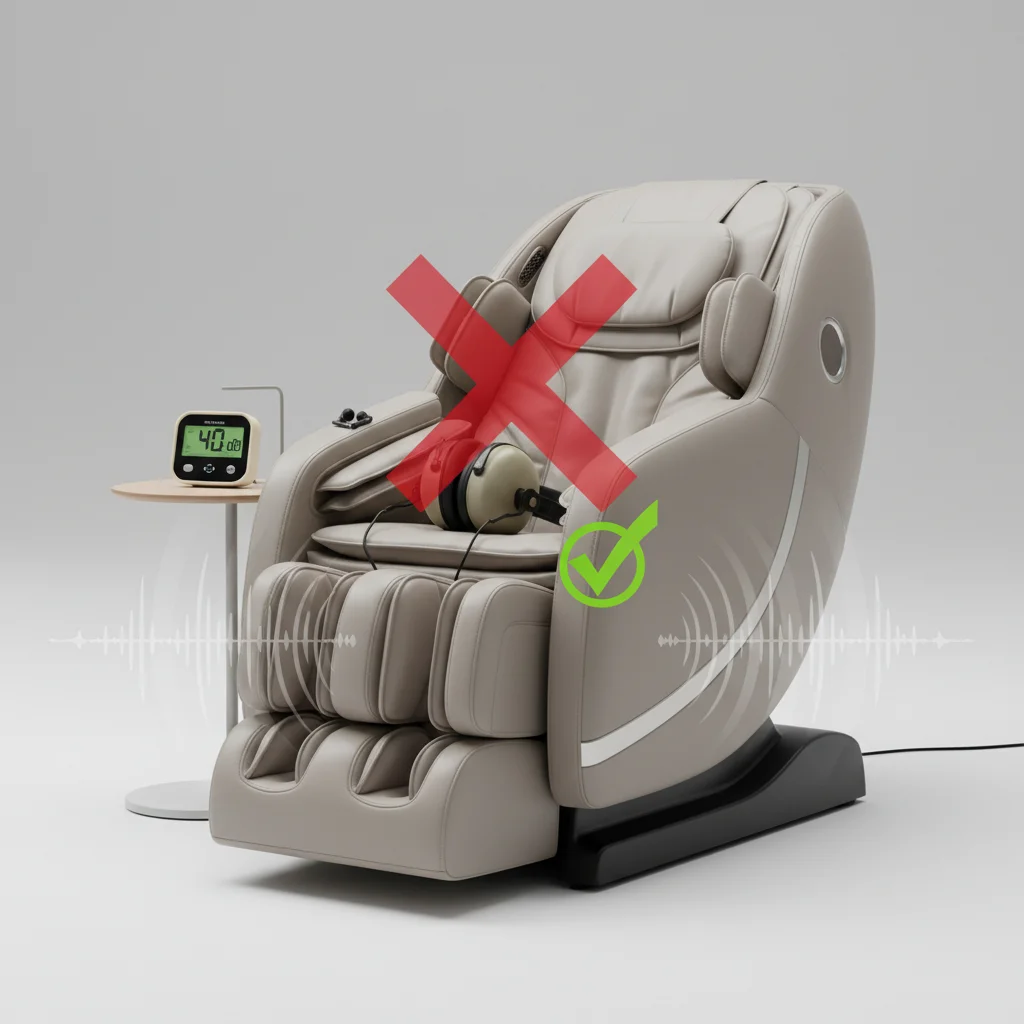
Understanding massage chair noise levels is crucial for a truly relaxing experience, and generally, a quiet massage chair operates at around 50 decibels (dB) or less. This is comparable to the sound of a quiet conversation or a refrigerator hum. Anything significantly above this, especially reaching 60 dB or more, can detract from the therapeutic benefits and become a noticeable distraction in your home environment.
Factors Influencing Massage Chair Noise
Several components contribute to the overall noise output of a massage chair. The primary culprits are often the motors that drive the massage rollers and air compressors for the airbags. Higher quality chairs typically use more advanced, quieter motors and air pumps, often incorporating sound-dampening materials within their design. The type of massage mechanism also plays a role; 2D systems might be simpler and thus potentially quieter, while more complex 3D or 4D mechanisms with greater range of motion could generate more sound if not properly engineered.
Another factor is the chair’s age and maintenance. Over time, parts can wear down, leading to increased friction and noise. Regular cleaning and ensuring all components are properly lubricated (where applicable, according to manufacturer guidelines) can help mitigate this. The flooring beneath the chair can also amplify or dampen sound; placing a chair on a thick rug or carpet can help absorb vibrations.
Assessing Decibel Ratings and Specifications
When researching massage chairs, pay close attention to manufacturer specifications regarding noise levels. While not all brands explicitly state a decibel rating, some do, and this can be a valuable comparison point. Look for terms like “whisper-quiet operation” or “low-noise design.” If a specific decibel level isn’t provided, reading user reviews can offer anecdotal evidence about how loud the chair actually is in a home setting. Remember that perceived loudness can be subjective, but a consistent pattern of complaints about noise is a red flag.
Consider the environment where the chair will be used. In a dedicated quiet room, even a slightly louder chair might be more noticeable. In a living room with ambient noise from a TV or other activities, a moderate hum might be less intrusive. It’s about finding a balance that suits your personal preference and intended use.
Tips for Reducing Massage Chair Noise
|
Our Picks for the Best Massage Chair in 2026
As an Amazon Associate I earn from qualifying purchases.
|
||
| Num | Product | Action |
|---|---|---|
| 1 | Snailax Shiatsu Neck Back Massager with Heat, Massage Chair Pad with Compression, Height-Adjustable Neck Massage Rollers Chair Seat Massager, Gifts for Men, Women |

|
| 2 | COMFIER Shiatsu Back Massager with Heat, Dual Motor 3D Rollers, Long Track Deep Tissue Kneading, Foldable Massage Chair Pad with Adjustable Height for Back Tension & Muscle Stiffness |
|
| 3 | Mynt FSA Eligible HSA Approved Shiatsu Neck and Back Massager for Chair with 10 Deep Kneading Nodes, 2D & 3D Back Massage with Heat, Portable Spot Massage Chair Pad (Black) |
|
| 4 | Lvrunben Shiatsu Back Massager with Heat, 3D Kneading Massage Chair Pad, Electric Massage Seat Cushion for Body, Neck,Shoulder, with Movable Multi-Function Leg and Foot Massager, for 62-69 inches |
|
| 5 | COMFIER Shiatsu Neck & Back Massager with Heat, Full Back Coverage Massage Chair Pad with 4D Kneading & Adjustable Neck Nodes, Waist & Hip Compression |
|
| 6 | COMFIER Massager Chair with Heat, Shiatsu Neck Back Massager Portable with Compression & Rolling,Massage Chair Pad for Neck & Back for Muscle Tension Relief |
|
| 7 | Snailax shiatsu Neck & Back Massager with Heat, Full Back Kneading Shiatsu or Rolling Massage, Massage Chair pad with Height Adjustment, Back Massager for Neck and Shoulder |
|
| 8 | Snailax Shiatsu Back Massager with Heat Massage Chair Pad Kneading Back Massager for Pain Relief Deep Tissue Chair Massage Pad for Office Home |
|
| 9 | Snailax Neck Back Massager with Heat, Full Body Massage Chair Pad, Adjustable Compression, Rolling, Shiatsu Massage Seat Cushion, Chair Massagers,Gifts for Women, Man (Upgrade) |
|
| 10 | belhope Shiatsu Neck and Back Massager with Heat, 4D Kneading Back Massager for Pain Relief Deep Tissue, Comfortable Back Massage for Chair, Massage Mat for Home, Mother's Day Gifts for Men Women |
|
If you find your massage chair is louder than desired, there are several steps you can take to reduce the noise. First, ensure the chair is placed on a level, stable surface. Uneven flooring can cause vibrations and rattling. Placing a thick rubber mat or a dense carpet pad underneath the chair can significantly absorb vibrations and reduce transmitted noise. Regularly check for any loose screws or components and tighten them carefully according to the user manual.
- Place a thick, dense mat or rug under the chair to absorb vibrations.
- Ensure all screws and bolts are securely tightened.
- Clean and lubricate moving parts as recommended by the manufacturer.
- Position the chair away from walls or furniture that might amplify sound.
- Consider using noise-canceling headphones during your massage session.
For chairs with air compressors, sometimes the sound is simply inherent to the mechanism. If the noise is excessive and the chair is new, contact customer support as it might indicate a manufacturing defect. For older chairs, professional servicing might be an option to replace worn components.
The Impact of Noise on Relaxation and Therapy
The primary purpose of a massage chair is to provide relaxation and therapeutic benefits. Excessive noise can directly counteract this goal. A constant hum, whirring, or rattling can make it difficult to fully unwind, meditate, or even enjoy a book or music during your session. This distraction can reduce the effectiveness of the massage, as your mind remains engaged with the noise rather than focusing on the physical sensations.
For individuals using massage chairs for stress relief or to aid sleep, a quiet environment is paramount. A noisy chair can elevate stress levels rather than reduce them, and make it harder to transition into a relaxed state before bedtime. Therefore, prioritizing a chair with low noise output is not just about comfort, but about maximizing the health and wellness benefits you seek from your investment.
Get our weekly buyer guide
Practical specs, not advice. Unsubscribe anytime.
