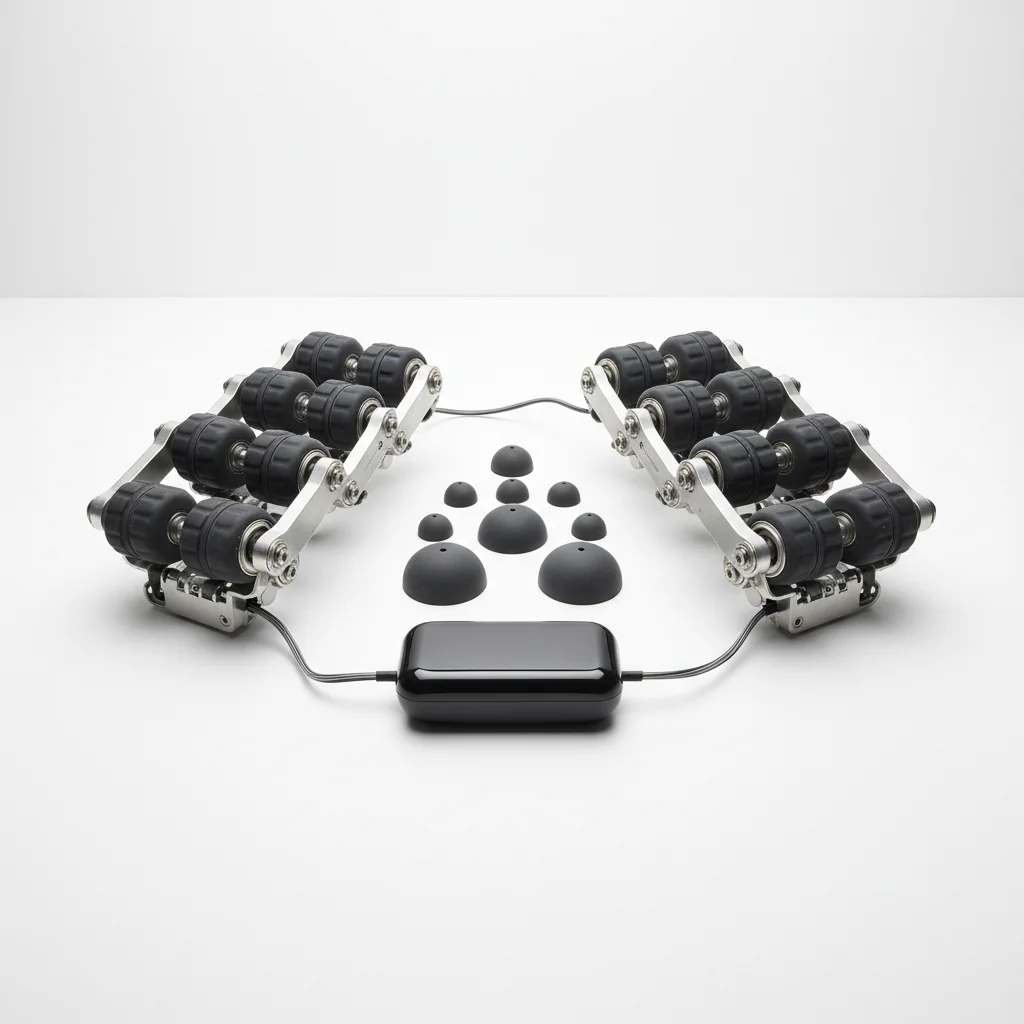
A quality massage chair typically features between 2 and 4 main massage rollers, which are the core components responsible for delivering the therapeutic massage experience. These rollers are often part of a sophisticated track system, such as an S-track or L-track, and work in conjunction with other mechanisms like airbags and heat therapy to provide comprehensive relief. The number of rollers isn’t the sole indicator of quality; rather, it’s their configuration, movement capabilities (2D, 3D, 4D), and the overall engineering of the massage mechanism that truly defines a chair’s effectiveness.
The fundamental design of massage chair rollers involves a set of wheels or nodes that travel along a track, mimicking the hands of a masseuse. Early models often used a simpler 2-roller system, primarily focusing on the back. Modern advancements have led to more complex setups, with 4-roller systems becoming increasingly common in mid-range to high-end chairs. These additional rollers allow for a wider coverage area and more nuanced massage techniques, including kneading, tapping, rolling, and shiatsu.
Understanding 2-Roller vs. 4-Roller Systems
In a 2-roller system, two primary rollers move up and down the back, often providing a more generalized massage. While effective for basic relaxation, they may lack the precision and variety of techniques found in more advanced chairs. These systems are typically found in more budget-friendly models or those designed for very specific, limited massage functions.
A 4-roller system, on the other hand, utilizes two sets of rollers, often arranged in a way that allows for a broader and more intricate massage. This configuration can better target specific muscle groups, provide deeper tissue penetration, and execute a wider array of massage styles. The additional rollers can also contribute to a smoother and more consistent massage experience, reducing potential pressure points and enhancing overall comfort. Many premium chairs integrate these 4-roller systems with advanced sensor technology to map the user’s back for a personalized massage.
The Role of Roller Dimensions and Materials
Beyond the number of rollers, their physical characteristics play a significant role in the massage quality. The size and shape of the roller heads can influence the intensity and feel of the massage. Smaller, more pointed rollers might offer a more intense, pinpointed massage, while larger, softer rollers provide a gentler, broader stroke. The materials used for the rollers also matter; some are made from durable plastics, while others incorporate silicone or rubber for a softer touch that better mimics human hands.
High-quality massage chairs often feature rollers with adjustable protrusion, allowing users to control the depth of the massage. This 3D or 4D technology enables the rollers to move not just up and down and side to side, but also in and out from the backrest. This added dimension significantly enhances the therapeutic benefits, allowing for deeper tissue work or a gentler touch as desired. The ability to customize this depth is a key differentiator in premium models.
How Roller Track Systems Impact Performance
|
Our Picks for the Best Massage Chair in 2026
As an Amazon Associate I earn from qualifying purchases.
|
||
| Num | Product | Action |
|---|---|---|
| 1 | Snailax Neck Back Massager with Heat, Full Body Massage Chair Pad, Adjustable Compression, Rolling, Shiatsu Massage Seat Cushion, Chair Massagers,Gifts for Women, Man (Upgrade) |

|
| 2 | Snailax Shiatsu Back Massager with Heat Massage Chair Pad Kneading Back Massager for Pain Relief Deep Tissue Chair Massage Pad for Office Home |
|
| 3 | Snailax shiatsu Neck & Back Massager with Heat, Full Back Kneading Shiatsu or Rolling Massage, Massage Chair pad with Height Adjustment, Back Massager for Neck and Shoulder |
|
| 4 | Snailax Shiatsu Neck Back Massager with Heat, Massage Chair Pad with Compression, Height-Adjustable Neck Massage Rollers Chair Seat Massager, Gifts for Men, Women |
|
| 5 | Mynt FSA Eligible HSA Approved Shiatsu Neck and Back Massager for Chair with 10 Deep Kneading Nodes, 2D & 3D Back Massage with Heat, Portable Spot Massage Chair Pad (Black) |
|
| 6 | Lvrunben Shiatsu Back Massager with Heat, 3D Kneading Massage Chair Pad, Electric Massage Seat Cushion for Body, Neck,Shoulder, with Movable Multi-Function Leg and Foot Massager, for 62-69 inches |
|
| 7 | belhope Shiatsu Neck and Back Massager with Heat, 4D Kneading Back Massager for Pain Relief Deep Tissue, Comfortable Back Massage for Chair, Massage Mat for Home, Mother's Day Gifts for Men Women |
|
| 8 | COMFIER Massager Chair with Heat, Shiatsu Neck Back Massager Portable with Compression & Rolling,Massage Chair Pad for Neck & Back for Muscle Tension Relief |
|
| 9 | COMFIER Shiatsu Back Massager with Heat, Dual Motor 3D Rollers, Long Track Deep Tissue Kneading, Foldable Massage Chair Pad with Adjustable Height for Back Tension & Muscle Stiffness |
|
| 10 | COMFIER Shiatsu Neck & Back Massager with Heat, Full Back Coverage Massage Chair Pad with 4D Kneading & Adjustable Neck Nodes, Waist & Hip Compression |
|
The track system on which the rollers operate is just as crucial as the rollers themselves. The two most common types are S-track and L-track. An S-track follows the natural curvature of the spine, providing consistent pressure from the neck down to the lower back. An L-track extends further, reaching under the glutes and sometimes even to the hamstrings, offering a more comprehensive full-body massage. The choice between an S-track and L-track often depends on individual preferences for massage coverage.
Some advanced chairs combine elements of both, or feature hybrid tracks, to maximize coverage and therapeutic benefits. The precision with which the rollers navigate these tracks, guided by internal motors and sensors, directly impacts the smoothness and effectiveness of the massage. A well-engineered track system ensures that the rollers maintain consistent contact and pressure across the entire massage area.
Key Features to Look for in Roller Systems
- 3D/4D Technology: Allows rollers to move in and out, adjusting massage intensity.
- Body Scanning: Maps your unique spinal curvature for a personalized massage.
- Adjustable Speed and Intensity: Offers control over the pace and pressure of the rollers.
- Variety of Massage Techniques: Supports kneading, tapping, rolling, shiatsu, and more.
- Durable Materials: Ensures longevity and consistent performance of the rollers.
When evaluating a massage chair, consider not just the number of rollers, but how they integrate with the chair’s overall design and features. A chair with fewer, but highly advanced, rollers might offer a superior experience compared to one with more basic rollers. Always prioritize chairs that allow for customization of roller intensity and technique to best suit your personal needs and preferences.Many users find that a chair with a sophisticated 4-roller 3D/4D system provides the most comprehensive and satisfying massage experience for home use.
Maintenance and Longevity of Massage Rollers
To ensure the longevity and optimal performance of your massage chair’s rollers, regular maintenance is essential. While the rollers themselves are typically designed for durability, the mechanisms that drive them can benefit from occasional inspection. Keep the chair’s interior free from dust and debris, as this can impede roller movement. Avoid placing excessive weight on the chair or using it in ways not intended by the manufacturer, which could strain the roller motors and tracks.
If you notice any unusual noises or changes in the roller’s movement, consult your owner’s manual or contact customer support. Most modern massage chairs are built with robust components, but proper care can significantly extend their lifespan and ensure that the rollers continue to deliver effective therapeutic relief for years to come. Investing in a chair with a good warranty can also provide peace of mind regarding potential roller-related issues.
Get our weekly buyer guide
Practical specs, not advice. Unsubscribe anytime.
