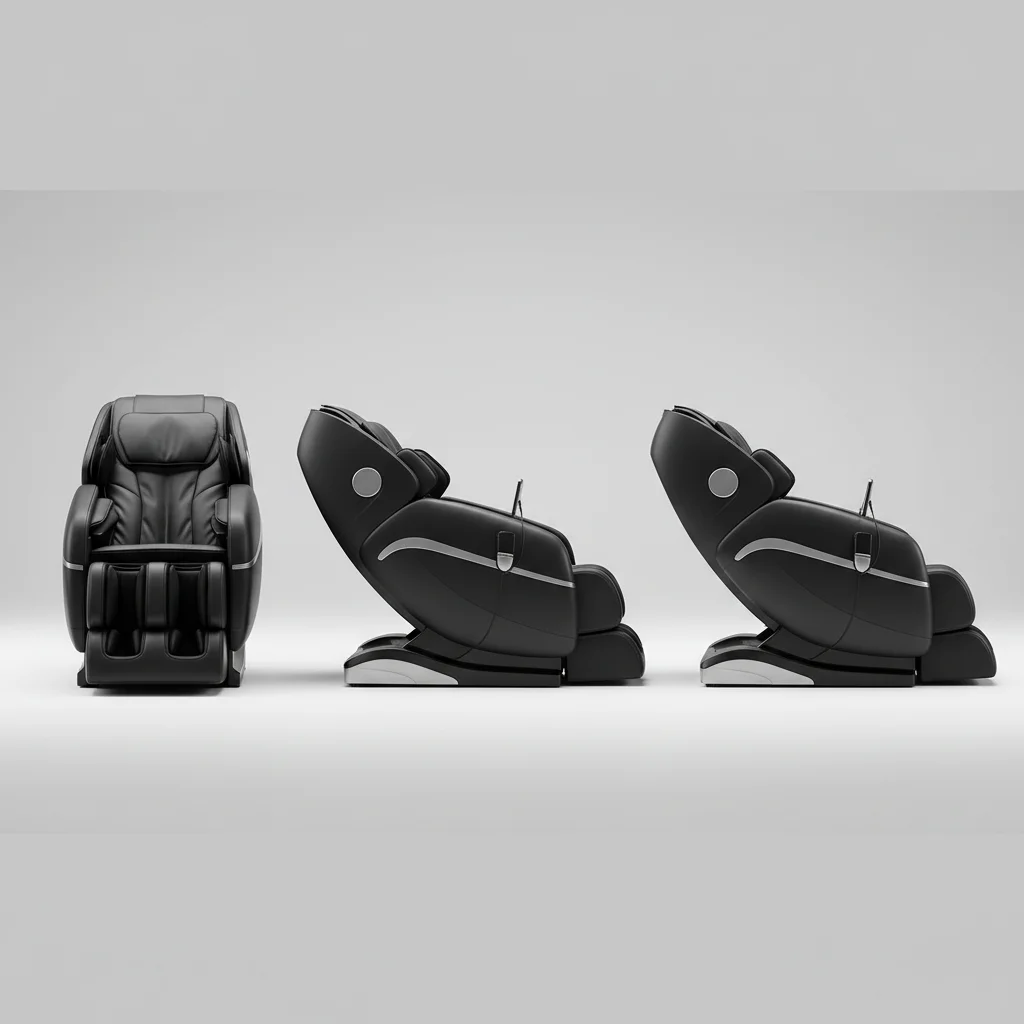
Understanding the optimal reclining angles for a massage chair is crucial for maximizing both comfort and therapeutic benefits. While many chairs offer a range of positions, the ideal angle often depends on the specific massage technique and your personal preference. Generally, a reclined position between 120 and 140 degrees is considered most effective for full-body relaxation and deeper massage penetration, as it helps to decompress the spine and distribute body weight evenly.
The Science Behind Reclining for Massage
When you recline in a massage chair, you’re not just getting comfortable; you’re actively enhancing the massage experience. A reclined position, particularly the zero-gravity recline, elevates your legs above your heart, which can improve circulation and reduce pressure on the spine. This allows the massage rollers and airbags to work more effectively, reaching deeper into muscle tissue without resistance from gravity. Studies suggest that even a slight recline can significantly impact muscle relaxation and stress reduction.
Zero Gravity Recline: The Ultimate Position
The zero-gravity position, inspired by NASA, is a key feature in many advanced massage chairs. In this position, your body weight is evenly distributed, minimizing pressure on the spine and joints. This creates a sensation of weightlessness, allowing for a more profound state of relaxation and enabling the massage mechanisms to deliver a more intense and effective massage. Most zero-gravity chairs offer multiple stages of recline, with the deepest stage typically placing your legs above your heart at an angle of approximately 120 degrees.
- Reduces pressure on the spine and joints.
- Improves blood circulation throughout the body.
- Enhances the effectiveness of massage rollers and airbags.
- Promotes deeper relaxation and stress relief.
- Can alleviate discomfort from certain back conditions.
Customizing Your Recline for Specific Needs
|
Our Picks for the Best Massage Chair in 2026
As an Amazon Associate I earn from qualifying purchases.
|
||
| Num | Product | Action |
|---|---|---|
| 1 | Snailax shiatsu Neck & Back Massager with Heat, Full Back Kneading Shiatsu or Rolling Massage, Massage Chair pad with Height Adjustment, Back Massager for Neck and Shoulder |

|
| 2 | Mynt FSA Eligible HSA Approved Shiatsu Neck and Back Massager for Chair with 10 Deep Kneading Nodes, 2D & 3D Back Massage with Heat, Portable Spot Massage Chair Pad (Black) |
|
| 3 | COMFIER Shiatsu Neck & Back Massager with Heat, Full Back Coverage Massage Chair Pad with 4D Kneading & Adjustable Neck Nodes, Waist & Hip Compression |
|
| 4 | COMFIER Shiatsu Back Massager with Heat, Dual Motor 3D Rollers, Long Track Deep Tissue Kneading, Foldable Massage Chair Pad with Adjustable Height for Back Tension & Muscle Stiffness |
|
| 5 | Lvrunben Shiatsu Back Massager with Heat, 3D Kneading Massage Chair Pad, Electric Massage Seat Cushion for Body, Neck,Shoulder, with Movable Multi-Function Leg and Foot Massager, for 62-69 inches |
|
| 6 | belhope Shiatsu Neck and Back Massager with Heat, 4D Kneading Back Massager for Pain Relief Deep Tissue, Comfortable Back Massage for Chair, Massage Mat for Home, Mother's Day Gifts for Men Women |
|
| 7 | Snailax Neck Back Massager with Heat, Full Body Massage Chair Pad, Adjustable Compression, Rolling, Shiatsu Massage Seat Cushion, Chair Massagers,Gifts for Women, Man (Upgrade) |
|
| 8 | COMFIER Massager Chair with Heat, Shiatsu Neck Back Massager Portable with Compression & Rolling,Massage Chair Pad for Neck & Back for Muscle Tension Relief |
|
| 9 | Snailax Shiatsu Neck Back Massager with Heat, Massage Chair Pad with Compression, Height-Adjustable Neck Massage Rollers Chair Seat Massager, Gifts for Men, Women |
|
| 10 | Snailax Shiatsu Back Massager with Heat Massage Chair Pad Kneading Back Massager for Pain Relief Deep Tissue Chair Massage Pad for Office Home |
|
While zero gravity is highly beneficial, the best reclining angle can also be customized for specific therapeutic needs. For instance, if you’re targeting lower back pain, a slightly less reclined position might allow for more direct pressure on that area. Conversely, for neck and shoulder relief, a deeper recline can help to stretch those muscles. Many modern massage chairs come with automated programs that adjust the recline angle based on the chosen massage style, ensuring you get the most out of each session.
Finding Your Personal Sweet Spot
Experimentation is key to finding the perfect reclining angle for your body and desired massage intensity. Start with a moderate recline and gradually adjust it until you feel the most comfortable and the massage feels most effective. Pay attention to how different angles affect pressure points and overall relaxation. Some chairs offer manual adjustments, while others have pre-programmed settings that you can cycle through. Remember that what feels good for one person might not be ideal for another, so personalize your experience.
Recline Angles and Massage Chair Design
The design of a massage chair significantly influences its reclining capabilities. Chairs with an L-track system often maintain contact with your glutes even in a deep recline, providing a continuous massage from neck to hamstrings. S-track chairs, while excellent for spinal curvature, may have a more limited recline range. Understanding these design differences can help you choose a chair that offers the reclining flexibility you need for optimal therapeutic benefits. Always check the specifications for the maximum recline angle before purchasing.
Get our weekly buyer guide
Practical specs, not advice. Unsubscribe anytime.
