As an experienced technician who has worked with countless massage chairs over the past decade, I’ve seen the technology evolve dramatically. The journey from basic models to today’s sophisticated machines has been incredible, yet it often leaves consumers wondering: what exactly do those “D” ratings—2D, 3D, and 4D—mean, and which one is truly the best fit for their needs? Choosing the right massage chair is more than just a purchase; it’s an investment in your well-being, a personal sanctuary for stress relief and muscle recovery. This article will demystify these technological classifications, helping you understand the nuances of each and guiding you toward making an informed decision for your home.
Understanding Massage Chair Dimensions: From 2D to 4D
The “dimensions” in massage chairs refer to the range of motion and sophistication of their internal roller mechanisms, which are designed to mimic the intricate techniques of human hands. Each dimension adds a new layer of movement and realism, enhancing your massage experience.
The Foundation: 2D Massage Chairs
|
Our Picks for the Best Massage Chair in 2026
As an Amazon Associate I earn from qualifying purchases.
|
||
| Num | Product | Action |
|---|---|---|
| 1 | Snailax Shiatsu Neck Back Massager with Heat, Massage Chair Pad with Compression, Height-Adjustable Neck Massage Rollers Chair Seat Massager, Gifts for Men, Women |

|
| 2 | COMFIER Shiatsu Neck & Back Massager with Heat, Full Back Coverage Massage Chair Pad with 4D Kneading & Adjustable Neck Nodes, Waist & Hip Compression |
|
| 3 | Snailax shiatsu Neck & Back Massager with Heat, Full Back Kneading Shiatsu or Rolling Massage, Massage Chair pad with Height Adjustment, Back Massager for Neck and Shoulder |
|
| 4 | belhope Shiatsu Neck and Back Massager with Heat, 4D Kneading Back Massager for Pain Relief Deep Tissue, Comfortable Back Massage for Chair, Massage Mat for Home, Mother's Day Gifts for Men Women |
|
| 5 | Snailax Neck Back Massager with Heat, Full Body Massage Chair Pad, Adjustable Compression, Rolling, Shiatsu Massage Seat Cushion, Chair Massagers,Gifts for Women, Man (Upgrade) |
|
| 6 | COMFIER Massager Chair with Heat, Shiatsu Neck Back Massager Portable with Compression & Rolling,Massage Chair Pad for Neck & Back for Muscle Tension Relief |
|
| 7 | COMFIER Shiatsu Back Massager with Heat, Dual Motor 3D Rollers, Long Track Deep Tissue Kneading, Foldable Massage Chair Pad with Adjustable Height for Back Tension & Muscle Stiffness |
|
| 8 | Snailax Shiatsu Back Massager with Heat Massage Chair Pad Kneading Back Massager for Pain Relief Deep Tissue Chair Massage Pad for Office Home |
|
| 9 | Lvrunben Shiatsu Back Massager with Heat, 3D Kneading Massage Chair Pad, Electric Massage Seat Cushion for Body, Neck,Shoulder, with Movable Multi-Function Leg and Foot Massager, for 62-69 inches |
|
| 10 | Mynt FSA Eligible HSA Approved Shiatsu Neck and Back Massager for Chair with 10 Deep Kneading Nodes, 2D & 3D Back Massage with Heat, Portable Spot Massage Chair Pad (Black) |
|
Imagine the earliest forms of mechanized massage, and you’re likely picturing a 2D massage chair. In these models, the massage rollers move along two primary axes: vertically (up and down your spine) and horizontally (side to side across your back). This provides a steady, reliable massage that can be adjusted for speed and intensity, but not for how deeply the rollers penetrate your muscles.
2D chairs are excellent for individuals seeking general relaxation and surface-level muscle relief. They offer a straightforward, consistent massage, perfect for unwinding after a long day or alleviating mild tension. These chairs are typically the most affordable option, making them a great entry point into the world of at-home massage therapy for budget-conscious buyers. However, their fixed depth means they might not adequately address deeper knots or chronic muscle pain, and the customization options are generally more limited compared to their advanced counterparts.
Adding Depth: The Evolution of 3D Massage Chairs
Building upon the 2D foundation, 3D massage chairs introduce a crucial third dimension: depth. This means the rollers can not only move up, down, and side to side, but they can also extend forward and retract backward, penetrating deeper into your muscle tissue, typically between 2 to 5 inches. This in-and-out movement is a game-changer, allowing for a significantly more personalized and effective massage experience.
With 3D technology, you gain greater control over the intensity of your massage. You can adjust how deeply the rollers press into your back, enabling a gentle, relaxing massage or a more intense, deep-tissue treatment to target stubborn knots and tight spots. Many 3D chairs also incorporate advanced body scanning technology, which maps your unique spinal curvature and pressure points, ensuring the massage is precisely tailored to your body’s contours. This adaptation allows for more effective targeting of problem areas, offering substantial relief for muscle soreness and chronic tension.
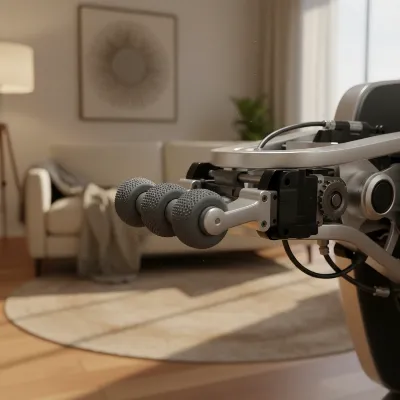 A detailed close-up of 3D massage chair rollers extending forward from the track, showcasing the "in and out" movement for depth control, in a modern home setting.
The Pinnacle of Realism: Exploring 4D Massage Chairs
For those seeking the most immersive and human-like massage experience possible, 4D massage chairs represent the cutting edge of current technology. These chairs build on the full capabilities of 3D mechanisms by adding a fourth “dimension”: variable speed, rhythm, and timing control. This means the rollers don’t just move in three directions; they can also dynamically change their speed and pace during a stroke, mimicking the nuanced and fluid techniques of a professional massage therapist’s hands.
A 4D massage feels less robotic and more intuitive. The rollers can slow down for a gentle knead in a tense area, speed up for a brisk rolling motion, or introduce subtle pauses and accelerations, providing an ever-changing and highly realistic therapeutic session. This enhanced dynamic capability allows for unparalleled customization and a truly expressive massage flow. 4D chairs are ideal for deep relaxation, comprehensive stress reduction, and advanced muscle recovery, offering a premium experience that prioritizes both intense relief and exquisite comfort. They often come equipped with the most advanced features, including AI-driven programs, sophisticated body scanning, zero-gravity positioning, and extensive heat therapy, making them a top-tier investment for comprehensive wellness.
Key Differences and Benefits: 2D, 3D, and 4D Compared
Understanding the core distinctions between these massage chair types is crucial for aligning your expectations with the technology. Each dimension offers a unique set of benefits and capabilities, catering to different preferences and therapeutic needs.
Here’s a detailed comparison to help clarify their primary characteristics:
| Feature | 2D Massage Chairs | 3D Massage Chairs | 4D Massage Chairs |
|---|---|---|---|
| Roller Movement | Up/down, Left/right (X and Y axes) | Up/down, Left/right, In/out (X, Y, and Z axes) | All 3D movements plus variable speed/rhythm/timing |
| Depth Adjustment | Fixed depth, no in/out movement | Adjustable depth (rollers protrude deeper/shallower) | Adjustable depth with dynamic, real-time control |
| Speed/Rhythm Variation | Fixed speed, consistent rhythm | Fixed speed, consistent rhythm | Variable speed, fluid rhythm, pauses, accelerations |
| Massage Realism | Basic, mechanical feel | More lifelike, deeper tissue engagement | Most human-like, mimics a professional therapist’s touch |
| Customization | Limited (speed, basic techniques) | Moderate (intensity, deeper targeting, scan data) | Extensive (dynamic speed, diverse programs, AI adaptation) |
| Intensity Level | Mild to moderate, surface-level | Moderate to deep, targeted relief | Gentle to very deep, dynamically adaptable intensity |
| Targeted Relief | General back massage | Effective for specific knots and muscle groups | Precise, highly targeted, and adaptable to real-time tension |
| Typical Price Range | Entry-level (generally lower) | Mid-range | Premium/High-end (generally higher) |
Who Benefits Most from Each Type?
The “best” massage chair isn’t universally defined; it’s entirely dependent on your individual needs, preferences, and budget.
-
2D Massage Chairs are an excellent choice for individuals new to massage chairs, those on a tighter budget, or anyone primarily seeking gentle relaxation and routine stress relief. If you prefer a lighter, surface-level massage without intense pressure, a 2D chair can provide consistent comfort and soothing relief. It’s a reliable and effective option for basic unwinding.
-
3D Massage Chairs are ideal for users who require deeper muscle penetration and more personalized intensity control. If you experience chronic muscle pain, stubborn knots, or simply prefer a more robust massage experience, a 3D chair offers the ability to target those areas more effectively. They provide a significant upgrade in therapeutic value over 2D models and are suitable for many who seek customizable, deep-tissue relief.
-
4D Massage Chairs are tailored for those who demand the ultimate in massage realism, dynamic customization, and a truly immersive experience. If you are an athlete seeking advanced recovery, someone with significant stress and tension, or simply desire a massage that feels as close to human hands as possible, a 4D chair is an unparalleled investment. Its ability to vary speed and rhythm makes it incredibly effective for profound relaxation, comprehensive therapeutic benefits, and a spa-like experience at home.
Crucial Features Beyond Dimensions for Your Massage Chair
While the 2D, 3D, and 4D distinctions are fundamental, a truly exceptional massage chair integrates a suite of other advanced features. As an expert, I always recommend considering these alongside the roller technology to ensure you get the most comprehensive and beneficial experience.
Body Scanning Technology
This feature is paramount for a personalized massage. Most 3D and 4D chairs include intelligent body scanners that map your unique spinal curvature, height, and pressure points. This data allows the chair to adjust the roller positions and intensity precisely, ensuring the massage is perfectly contoured to your body, rather than a one-size-fits-all approach. It’s like having a chair that knows exactly where your tension lies.
SL-Track vs. S-Track
The massage track dictates the path the rollers follow along your body.
- S-Track (S-shaped track) follows the natural curvature of your spine, providing massage from the neck down to the lower back.
- L-Track (L-shaped track) extends further, continuing under the glutes and even into the hamstrings. This extended coverage is particularly beneficial for those experiencing gluteal pain or sciatica, offering a more comprehensive full-body massage. Many advanced chairs today feature L-tracks, sometimes combined with an S-curve for optimal spinal alignment.
Heat Therapy
The inclusion of heat therapy significantly enhances the massage experience. Lumbar heat is common, helping to relax tight lower back muscles and improve blood circulation. Higher-end chairs may also offer calf heating, foot heaters, or even heated massage rollers, providing soothing warmth to multiple areas for deeper relaxation and pain relief.
Air Compression Massage
Beyond rollers, airbags strategically placed throughout the chair inflate and deflate, providing a gentle compression massage. These are typically found in the shoulders, arms, calves, and feet, helping to improve circulation, reduce swelling, and deliver a soothing, full-body squeeze that complements the roller massage.
Zero Gravity Recline
Inspired by NASA, the zero-gravity position reclines your body so your legs are elevated above your heart. This posture evenly distributes your body weight, relieves pressure on your spine, and enhances blood circulation, allowing for a deeper and more effective massage. Many users describe this position as feeling weightless, amplifying relaxation and reducing overall body strain.
Diverse Massage Programs and Techniques
Look for chairs offering a wide array of pre-programmed massage routines and manual techniques like Shiatsu, kneading, tapping, rolling, and stretching. The more variety, the better you can tailor your session to different needs—whether it’s post-workout recovery, gentle evening relaxation, or targeted pain relief.
Intuitive Controls
Modern massage chairs boast various control interfaces, from user-friendly LCD or touchscreen remotes to quick-access controls on the armrest, and even voice activation. Easy-to-use controls ensure you can adjust your massage settings effortlessly, allowing for an uninterrupted relaxation experience.
Quality Materials and Durability
A massage chair is a significant investment. Opt for chairs constructed with high-quality, durable materials that can withstand years of regular use. Premium upholstery, robust motors, and a solid frame contribute to both the chair’s longevity and your comfort.
Size and Space-Saving Design
Consider the dimensions of the chair and the space available in your home. Some chairs feature space-saving technology, allowing them to recline forward rather than backward, requiring minimal clearance from a wall. This is a crucial factor for smaller living spaces.
Your Ultimate Buying Guide for a Massage Chair
Navigating the market for a massage chair can be overwhelming, but with over a decade in this field, I can assure you that a structured approach will lead you to the perfect choice.
Assess Your Needs and Budget
Before diving into features, take a moment to reflect.
- Who will be using the chair? If it’s for multiple family members, a chair with extensive customization (like 3D or 4D with body scanning) is more beneficial.
- What is your primary purpose? Are you seeking daily relaxation, targeted pain relief for a specific condition (like lower back pain), or post-exercise recovery? Your purpose will strongly influence the features you prioritize.
- What is your budget? Massage chairs range widely in price, typically from $1,500 for entry-level models to $12,000 or more for high-end 4D chairs. Establishing a realistic budget early will help narrow down your options. Remember, a high-quality chair is a long-term investment.
Research and Compare Brands and Models
Once you have a clear idea of your needs and budget, embark on thorough research.
- Read reviews and comparisons: Look for comprehensive articles and user testimonials from reputable sources. Pay attention to feedback regarding specific features, durability, and customer service.
- Look for trusted brands and dealers: Reputable companies often provide transparent information about their technology, construction, and have a track record of customer satisfaction.
- Understand warranty and after-sales support: A strong warranty (e.g., 3-5 years) and reliable customer service are indicators of a manufacturer’s confidence in their product and their commitment to you. Ensure you understand what the warranty covers and the process for repairs or replacements.
Experience it Personally
This is perhaps the most critical step. Just as you wouldn’t buy a car without a test drive, you shouldn’t buy a massage chair without sitting in it.
- Visit showrooms: Whenever possible, go to a store where you can physically try out different models.
- Spend adequate time: Don’t just sit for a minute or two. Experience several massage programs and adjust the settings. Pay close attention to:
- Comfort: Does the chair fit your body comfortably? Is the upholstery pleasant?
- Massage Effectiveness: Do the rollers reach your problem areas? Is the pressure adequate but not painful? Does the overall experience feel therapeutic?
- Noise levels: Is the chair excessively noisy during operation?
Understand Warranty and Return Policies
Even with thorough research and personal testing, knowing your consumer rights is vital. A reputable dealer will have clear policies regarding product warranties, returns, and exchanges. Clarify these details before making a purchase to ensure you are protected in case the chair doesn’t meet your expectations or has manufacturing defects. This ensures peace of mind with your significant investment.
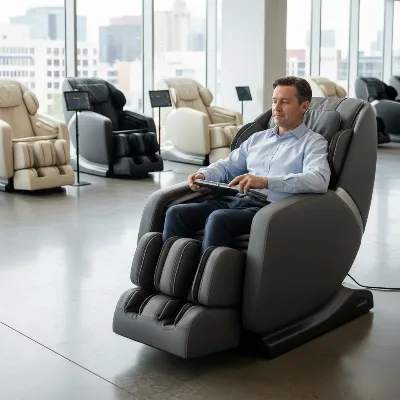 A person sitting comfortably in a modern massage chair in a showroom, trying out different settings with a tablet remote, contemplating their purchase. The showroom is well-lit with several chairs displayed.
Maximizing Your Investment: Usage and Maintenance
Owning a massage chair is a long-term commitment to your well-being. Proper usage and consistent maintenance are key to ensuring its longevity and continued peak performance.
- Regular Cleaning: Keep your chair clean by wiping down the upholstery with a soft, damp cloth. Follow the manufacturer’s specific cleaning instructions for the materials used to prevent damage. Avoid harsh chemicals that could degrade the fabric or synthetic leather.
- Use as Directed: Always adhere to the usage guidelines provided in your owner’s manual. This includes recommended session durations, weight limits, and any precautions. Overuse can strain the chair’s mechanisms and potentially negate therapeutic benefits.
- Proper Placement and Storage: Place your massage chair in a dry, well-ventilated area away from direct sunlight, extreme temperatures, and excessive humidity. When not in use, ensure it’s in a safe spot where it won’t be exposed to accidental bumps or spills.
- Periodic Checks and Maintenance: While massage chairs are designed for durability, occasional checks can prevent minor issues from becoming major problems. Listen for unusual noises, inspect for loose connections, and ensure all functions are operating smoothly. If you detect any issues, consult your user manual or contact customer support for professional advice.
Conclusion
Choosing between 2D, 3D, and 4D massage chairs ultimately comes down to a blend of your desired massage experience, therapeutic needs, and budget. From the foundational relaxation offered by 2D chairs to the customizable depth of 3D models, and the unparalleled human-like realism of 4D technology, each dimension offers distinct advantages. As an expert who has witnessed the evolution of these incredible machines, I believe that understanding these differences empowers you to make a choice that truly enhances your daily life. By considering the roller technology alongside other crucial features and following a diligent buying process, you can find the perfect massage chair that transforms your home into a personal wellness sanctuary for years to come. Which dimension will redefine your relaxation in 2026?
Frequently Asked Questions
What’s the main difference between 3D and 4D massage chairs?
The main difference lies in motion control. 3D chairs offer adjustable depth (in and out) in addition to up/down and side/side movements. 4D chairs take this further by dynamically varying the speed, rhythm, and timing of these 3D movements, creating a massage that feels significantly more like a human therapist’s nuanced touch.
Is 4D massage always stronger than 3D?
Not necessarily. While 4D technology allows for deeper penetration due to enhanced control, its primary advantage is the variable speed and rhythm, making the massage feel more natural and fluid, rather than just stronger. Both 3D and 4D chairs can provide intense, deep-tissue massages, but 4D offers more adaptable intensity and pacing throughout the session.
Can a 2D massage chair provide deep tissue relief?
A 2D massage chair provides a good, consistent massage across the back’s surface but lacks the in-and-out roller movement for true deep tissue penetration. Its fixed depth means it cannot reach deeper muscle layers effectively. For significant knots or chronic deep muscle tension, 3D or 4D chairs are far better equipped.
Are 4D chairs better for athletes?
Many athletes find 4D chairs highly beneficial. The dynamic, human-like massage, combined with features like targeted deep tissue work, heat therapy, and full-body coverage, can significantly aid in muscle recovery, reduce soreness, and enhance flexibility. The superior customization allows athletes to tailor sessions to their specific recovery needs.
How often should I use my massage chair?
For general relaxation and daily stress relief, 15-30 minute sessions a few times a week are often sufficient. For therapeutic purposes or chronic pain, more frequent, shorter sessions might be recommended. Always refer to your chair’s user manual and consult with a healthcare professional if you have specific medical conditions.
