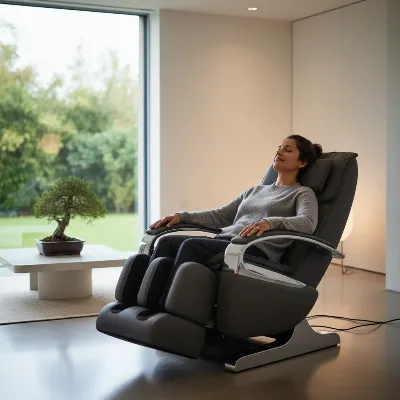
There’s nothing quite like sinking into your massage chair after a long day, letting the soothing motions melt away tension. But what if that blissful experience is interrupted by an annoying squeak or creak? A noisy massage chair can quickly turn relaxation into frustration, detracting from the very purpose of your valuable investment. Fortunately, most common squeaks are simple to diagnose and fix with a few basic tools and a little know-how, allowing you to restore your chair’s serene operation and reclaim your peace.
Understanding the Squeak: Common Culprits Behind the Noise
Before you reach for the toolbox, it’s helpful to understand why your massage chair might be making noise. Often, the cause is straightforward and easily remedied, rather than a major malfunction. Identifying the source of the sound is the first crucial step toward a successful repair, ensuring you address the right problem with the right solution.
The most frequent reasons for a squeaky massage chair include:
- Lack of Lubrication: Moving parts, particularly at pivot points and mechanical joints, require adequate lubrication to glide smoothly. Over time, this lubrication can dry out or wear away, increasing friction and causing squeaks.
- Loose Screws and Connections: Constant movement and vibration during massage sessions can gradually loosen screws and other fasteners. These loose components can rub against each other or other parts of the chair, generating various creaks and rattles.
- Worn Mechanics: While modern massage chairs are built for durability, continuous use can lead to wear and tear on internal mechanical components. This wear can manifest as noise, indicating that parts are no longer fitting or moving as precisely as they should.
- Friction Points: Sometimes, the massage wheels or rollers might rub against the chair’s fabric or internal track, producing a distinct friction sound. Similarly, areas where the footrest, seat, or backrest pivot can develop squeaks as they move.
- Debris or Obstructions: Small foreign objects or accumulated dust and dirt can sometimes get lodged within the moving mechanisms or roller tracks, interfering with smooth operation and creating abrasive noises.
The Serene Silence: Benefits of a Quiet Massage Chair
A silent massage chair does more than just avoid irritating noises; it significantly enhances your overall wellness experience. The absence of distracting squeaks allows for deeper relaxation and a more immersive therapeutic session. When your chair operates quietly, you can fully focus on the massage, letting go of stress and enjoying the intended benefits, such as improved circulation and muscle relief.
Beyond personal comfort, a quiet chair contributes positively to your home environment, maintaining a peaceful atmosphere without unwelcome mechanical sounds. This seamless operation also hints at a well-maintained machine, often correlating with greater longevity and fewer future repair needs, making your investment truly worthwhile.
Gathering Your Tools: What You’ll Need for the Fix
Before you begin troubleshooting, ensure you have the necessary tools and materials readily available. Most of these items are common household tools, but acquiring the right lubricant is key to a successful and lasting repair. Having everything at hand will make the repair process smoother and more efficient.
Here’s a basic list of what you might need:
- White Lithium Grease: This is the most commonly recommended lubricant for massage chair mechanical parts. It can be found in spray or cream form at most hardware stores. Consult your chair’s manual for specific lubricant recommendations, as some manufacturers advise against certain types.
- Screwdriver Set: A variety of Phillips and flathead screwdrivers will be useful for tightening loose screws on panels and internal components.
- Hex Key / Allen Wrench Set: Many modern chairs use hex screws, so a set of these wrenches can be indispensable.
- Soft Cloths or Rags: Essential for cleaning surfaces, wiping away excess lubricant, and protecting upholstery.
- Vacuum Cleaner with Attachments: Useful for removing dust and debris from crevices and roller tracks.
- Flashlight: To help illuminate dark areas and identify the exact source of the squeak.
- Owner’s Manual: Always refer to your chair’s manual for model-specific instructions, diagrams, and manufacturer-approved repair advice.
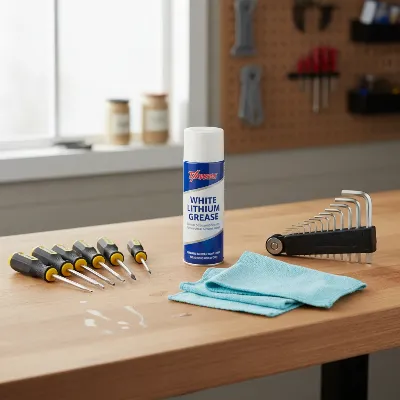 Tools for fixing a squeaky massage chair, including lubricant and screwdrivers
Step-by-Step Guide: How to Fix a Squeaky Massage Chair
Tackling a squeaky massage chair at home is often a straightforward process. By systematically working through these steps, you can pinpoint the source of the noise and apply the appropriate fix, bringing back the quiet comfort you desire. Always prioritize safety by unplugging the chair before any internal inspection or repair.
1. Safety First: Unplug Your Chair
|
Our Picks for the Best Massage Chair in 2026
As an Amazon Associate I earn from qualifying purchases.
|
||
| Num | Product | Action |
|---|---|---|
| 1 | belhope Shiatsu Neck and Back Massager with Heat, 4D Kneading Back Massager for Pain Relief Deep Tissue, Comfortable Back Massage for Chair, Massage Mat for Home, Mother's Day Gifts for Men Women |

|
| 2 | Snailax shiatsu Neck & Back Massager with Heat, Full Back Kneading Shiatsu or Rolling Massage, Massage Chair pad with Height Adjustment, Back Massager for Neck and Shoulder |
|
| 3 | Lvrunben Shiatsu Back Massager with Heat, 3D Kneading Massage Chair Pad, Electric Massage Seat Cushion for Body, Neck,Shoulder, with Movable Multi-Function Leg and Foot Massager, for 62-69 inches |
|
| 4 | Snailax Shiatsu Neck Back Massager with Heat, Massage Chair Pad with Compression, Height-Adjustable Neck Massage Rollers Chair Seat Massager, Gifts for Men, Women |
|
| 5 | COMFIER Massager Chair with Heat, Shiatsu Neck Back Massager Portable with Compression & Rolling,Massage Chair Pad for Neck & Back for Muscle Tension Relief |
|
| 6 | Snailax Shiatsu Back Massager with Heat Massage Chair Pad Kneading Back Massager for Pain Relief Deep Tissue Chair Massage Pad for Office Home |
|
| 7 | Mynt FSA Eligible HSA Approved Shiatsu Neck and Back Massager for Chair with 10 Deep Kneading Nodes, 2D & 3D Back Massage with Heat, Portable Spot Massage Chair Pad (Black) |
|
| 8 | COMFIER Shiatsu Neck & Back Massager with Heat, Full Back Coverage Massage Chair Pad with 4D Kneading & Adjustable Neck Nodes, Waist & Hip Compression |
|
| 9 | COMFIER Shiatsu Back Massager with Heat, Dual Motor 3D Rollers, Long Track Deep Tissue Kneading, Foldable Massage Chair Pad with Adjustable Height for Back Tension & Muscle Stiffness |
|
| 10 | Snailax Neck Back Massager with Heat, Full Body Massage Chair Pad, Adjustable Compression, Rolling, Shiatsu Massage Seat Cushion, Chair Massagers,Gifts for Women, Man (Upgrade) |
|
Before attempting any inspection or repair, always unplug your massage chair from the power outlet. This critical step prevents accidental activation, electrical shocks, or damage to the chair’s sensitive electronics. Ensure the power cord is completely disconnected from the wall.
2. Locate the Source of the Squeak
This is arguably the most important step. Turn the chair on (after plugging it back in briefly for testing, then unplugging again for work) and listen carefully as it operates. Try to pinpoint the exact location of the squeak. Does it come from the backrest, footrest, a specific joint, or the internal rollers?
- Listen Actively: Recline the chair, adjust the footrest, and cycle through different massage programs. Pay close attention to when the squeak occurs.
- Physical Inspection: Once you have a general idea of the area, visually inspect it. You might need to gently tilt the chair on its side (with assistance, if heavy) or remove back panels (refer to your manual) to access internal mechanisms.
- Focus on Pivot Points: Squeaks often originate from pivot points, such as where the footrest connects to the seat, where the seat meets the backrest, or the extension mechanisms of the footrest. The “scissor” mechanisms that allow the massage rollers to move are also common culprits.
3. Tighten Loose Screws and Connections
Many squeaks are simply due to loose fasteners. Systematically check all accessible screws and bolts, particularly on external panels, the back frame, and any visible joints.
- External Panels: Use the appropriate screwdriver or hex key to gently tighten any visible screws on the chair’s outer casing. Be careful not to overtighten, which could strip the screws or crack the plastic.
- Internal Framework: If you’ve removed panels, inspect the internal frame and tighten any loose nuts or bolts on the metal joints and connections. Pay special attention to the mechanisms that control recline and the movement of the massage rollers.
- Scissor Joints: If your chair uses scissor-like metal arms for the massage mechanism, check if the nuts holding these joints together are secure. Tighten them if they are loose.
4. Lubricate Moving Parts
Once loose components are secured, lubrication is usually the next step. White lithium grease is widely recommended, but always consult your manual first for manufacturer-approved lubricants.
- Prepare the Area: Before applying lubricant, clean the area with a soft cloth to remove any dust or old grease.
- Apply to Pivot Points: Focus on the main pivot points of the chair, such as the hinges for the footrest, the recline mechanism of the backrest, and any other areas where two parts rub together during movement.
- Roller Tracks and Joints: Carefully apply a small amount of lubricant to the roller tracks (if accessible) and any visible mechanical joints within the massage mechanism.
- Scissor Mechanisms: For chairs with scissor joints, apply lubricant sparingly to the pivot points of these arms.
- Apply Sparingly: Whether using a spray or cream, apply only a small amount. Excess lubricant can drip onto upholstery, causing stains or attracting more dirt. Wipe away any over-spray or excess immediately with a clean cloth.
- Test and Reapply: After applying lubricant, cycle the chair through its movements (plug it back in briefly, then unplug again before further work) to help distribute the grease. If the squeak persists, reapply a small amount, ensuring thorough coverage of the moving parts.
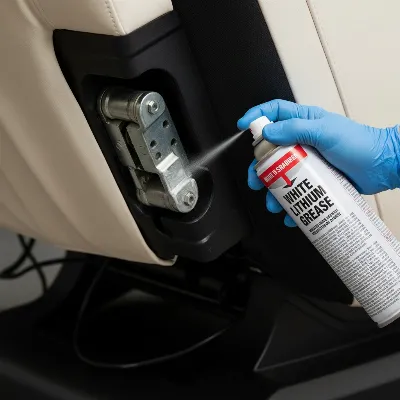 A hand applying white lithium grease to a massage chair's pivot point
5. Clear Debris from Roller Tracks
Sometimes, a squeak can be caused by something as simple as dirt or small objects obstructing the roller mechanism.
- Inspect Tracks: Carefully examine the tracks where the massage rollers move. Use a flashlight to get a clear view.
- Clean Thoroughly: Use a vacuum cleaner with a narrow attachment to remove any dust, hair, or small debris from the tracks and surrounding areas. A dry, soft brush can also help dislodge stubborn particles.
6. Test the Chair
After performing these steps, plug your massage chair back in and test it thoroughly. Cycle through different massage programs, recline and adjust the footrest fully, and listen for any remaining squeaks. If the noise has subsided, congratulations—you’ve successfully fixed your chair!
Choosing the Right Lubricant for Your Massage Chair
Selecting the appropriate lubricant is critical for both effectiveness and safety. Using the wrong type can damage components, attract more dirt, or even void your warranty.
While some sources suggest WD-40 for squeaks, it’s primarily a penetrating oil, not a long-lasting lubricant, and one expert guide specifically advises never to use it on massage chairs. Instead, focus on these recommendations:
- White Lithium Grease: This is the most frequently recommended lubricant for massage chair mechanical parts. It’s durable, provides long-lasting lubrication, and can withstand varying temperatures. It’s available in spray or cream form.
- Spray: Can penetrate deeper but requires careful application to avoid overspray on upholstery.
- Cream: Less risk of overspray but may need to be worked into tight spots more diligently.
- Silicone-Based Lubricants: In some cases, a silicone-based lubricant might be suitable, especially for plastic-on-plastic friction or rubber components. Always check your manual.
- Manufacturer-Approved Lubricants: The safest and most recommended option is to use a lubricant specifically approved or provided by your massage chair’s manufacturer. Refer to your owner’s manual for precise recommendations to ensure compatibility and maintain your warranty.
“For maintaining smooth operation and preventing squeaks, always opt for manufacturer-approved lubricants or high-quality white lithium grease. Avoid multi-purpose sprays not specifically designed for such mechanisms, as they can cause long-term damage.” – Dr. Elena Petrova, Mechanical Engineer specializing in therapeutic devices.
When to Call a Professional
While many squeaks can be resolved with DIY efforts, there are instances when professional help is the best course of action. Recognizing these situations can save you time, prevent further damage, and ensure your chair is repaired correctly.
Consider calling a certified technician or contacting the manufacturer if:
- DIY Efforts Fail: You’ve followed all troubleshooting steps, but the squeak persists or reappears quickly.
- Unidentifiable Source: You cannot locate the exact source of the squeak, even after careful inspection.
- Broken or Bent Parts: You notice any broken, bent, or severely worn internal components, such as a damaged scissor joint or a misaligned motor. These usually require specialized tools and replacement parts.
- Electrical Issues: The squeak is accompanied by electrical problems, unusual smells, or flickering lights, indicating a potentially serious defect.
- Under Warranty: If your chair is still under warranty, performing unauthorized repairs might void it. Always contact the manufacturer first to inquire about service options.
- Complex Internal Mechanisms: You are uncomfortable disassembling parts of your chair or fear causing further damage.
Keeping Your Chair Quiet: Preventative Maintenance Tips
Regular maintenance goes a long way in preventing future squeaks and ensuring your massage chair continues to provide years of quiet relaxation. Incorporating these simple habits into your routine can protect your investment and maintain peak performance.
- Routine Cleaning: Regularly wipe down the chair’s exterior with a soft, damp cloth to remove dust, body oils, and grime. Use a vacuum with a narrow attachment to clear debris from crevices, especially around the footrest and roller tracks. For leather or PU leather, use appropriate cleaners and conditioners to prevent cracking.
- Strategic Placement: Position your massage chair on a flat, dry, and stable surface. Keep it away from direct sunlight, which can damage upholstery, and ensure adequate space around it for full recline to prevent undue stress on mechanisms. A protective mat underneath can also reduce vibrations.
- Regular Usage (But Not Overuse): Using your chair regularly helps keep mechanical parts naturally lubricated. However, avoid excessive use or exceeding manufacturer-recommended session times (typically 15-30 minutes) to prevent overheating the motor and premature wear. Allow the chair to rest between sessions.
- Periodic Inspections: Every few months, take a moment to visually inspect your chair. Check for any new loose screws, signs of wear, or unusual noises. Early detection of minor issues can prevent them from escalating into more significant problems.
- Timely Lubrication: Consider applying a small amount of white lithium grease to key pivot points and mechanical joints every 6-12 months, or as recommended by your manufacturer, to maintain smooth operation and prevent friction-induced squeaks.
- Unplug When Not in Use: When not actively using your chair, it’s good practice to turn it off and unplug it. This protects it from power surges and saves a bit on electricity.
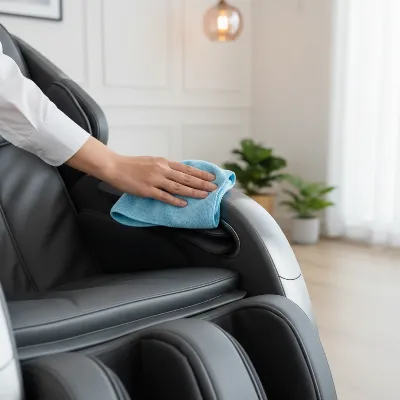 A person wiping down a massage chair with a microfiber cloth
Conclusion
A squeaky massage chair doesn’t have to be a permanent fixture in your home. With a methodical approach to troubleshooting, often involving simple tightening of loose components and strategic lubrication, you can quickly restore your chair to its intended quiet operation. Remember to always prioritize safety by unplugging the chair before any work and consulting your owner’s manual for specific guidance. By combining these DIY fixes with consistent preventative maintenance, you’ll not only silence those annoying noises but also extend the lifespan of your valuable relaxation device. What’s one unexpected benefit you’ve found from maintaining your massage chair regularly?
Frequently Asked Questions
Why does my massage chair make a clicking sound instead of a squeak?
A clicking sound often indicates a different issue than a squeak. It could be due to loose “scissor” joints within the massage mechanism, a foreign object obstructing the roller path, or a minor alignment issue with the rollers. Checking for debris and ensuring all visible connections are tight can help, but if it persists, it might warrant professional inspection.
Can I use any household oil, like cooking oil, to lubricate my massage chair?
No, you should never use household oils like cooking oil for lubricating your massage chair. These oils can break down over time, become gummy, attract dust and dirt, and potentially damage the internal mechanisms or upholstery. Always use a purpose-specific lubricant like white lithium grease or a manufacturer-approved product.
How often should I lubricate my massage chair?
The frequency of lubrication depends on your chair’s usage and the manufacturer’s recommendations. As a general guideline, lubricating key pivot points and moving parts every 6 to 12 months can help prevent squeaks and ensure smooth operation. Always refer to your owner’s manual for specific maintenance schedules.
Is a squeak always a sign of a serious problem?
Not necessarily. Most squeaks in Massage Chairs are caused by minor issues like lack of lubrication or loose fasteners, which are easy to fix at home. However, if a squeak is accompanied by other unusual sounds, reduced functionality, or visible damage, it could indicate a more serious underlying problem that might require professional attention.
How can I prevent my massage chair from squeaking in the future?
Preventing future squeaks involves regular maintenance, including keeping the chair clean, ensuring it’s placed on a level surface away from direct sunlight, avoiding overuse, and performing periodic checks for loose screws. Regular, light lubrication of moving parts with an appropriate product is also key to minimizing friction and noise.